The Cumulative Effects of Trauma Over a Career as a First Responder

First responders are trained to expect the unexpected. Whether it’s a fire crew arriving at a blaze, a paramedic rushing to a crash scene, or law enforcement responding to a call, their work places them face-to-face with danger, tragedy, and human suffering on a daily basis. While the public often associates trauma with a single catastrophic incident — the “one bad call” — the reality is that most responders are carrying far more than one story.

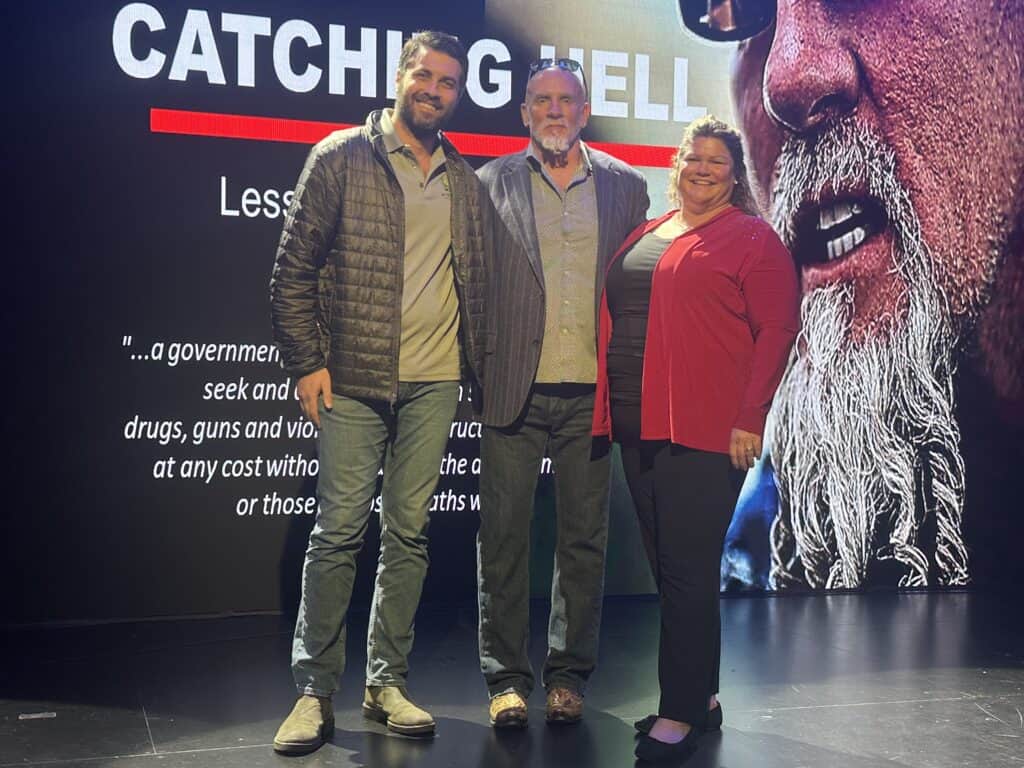
During a recent After Action First Responder Workshop, our facilitators discussed what’s known as cumulative trauma: the layered psychological impact of experiencing repeated stressors, tragedies, and high-stakes situations over an entire career. As one speaker explained, “Very rarely do we come across somebody that is just dealing with one incident. More often, it’s experiences throughout a career that roll into what manifests after a single event”. - Chris Scallon – Retired Police Lieutenant, U.S. Navy veteran, and internationally recognized trainer on officer wellness, trauma, and peer support.

This blog explores the cumulative effects of trauma, how it develops, the toll it takes, and — most importantly — how first responders can protect their mental health and seek support.


What is Cumulative Trauma?

Cumulative trauma in first responders is the gradual build-up of stress and traumatic exposure over time. Unlike post-traumatic stress disorder (PTSD), which is often associated with a single, life-threatening event, cumulative trauma refers to the “stacking effect” of repeated exposure.

The Workshop emphasized that one incident can often feel like the “trigger” — but in reality, it’s the straw that breaks the camel’s back. “People might get confused that this one event is what’s bothering me,” one facilitator noted. “The interesting side note is that we may not know that past experiences have led us to this spot, where one incident is kind of bothering us”. Raul Rivas – Retired Law Enforcement Officer and First Responder Liaison at After Action, dedicated to peer support and breaking the stigma around mental health.

For first responders, that one moment may not actually be the source — it’s the years of stress layered underneath that rise to the surface.


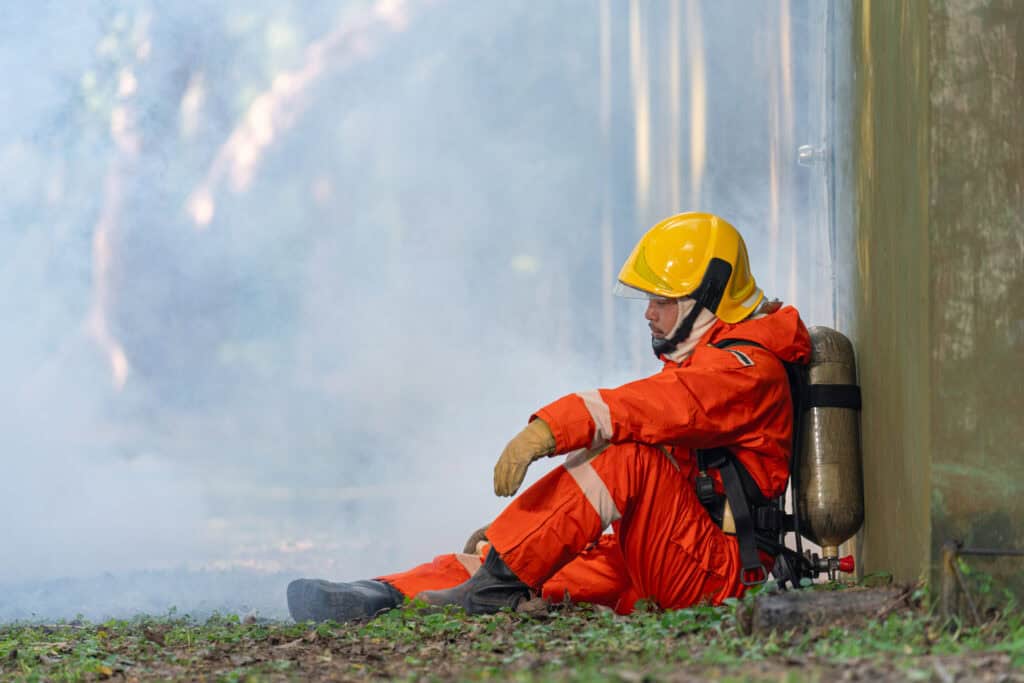
Cumulative trauma in first responders – police officer exposed to repeated critical incidents.

The Threshold of Exposure

One of the most powerful insights from the Workshop was about the “threshold” of what responders can endure. Over time, many develop a kind of tolerance for disturbing situations.

“For first responders and veterans specifically, we have a really high threshold of what we can be exposed to… but when we surpass that threshold, everything comes down. It’s an avalanche of emotions". -Doug Monda – Retired Law Enforcement Officer, suicide survivor, and Director of First Responder Relations at After Action.

When responders begin their careers, their senses are in overdrive. “You’re almost hypersensitive to everything. You’re working in overdrive,” Chris recalled. With time, though, there’s a shift. Responders begin to normalize what once would have left them shaken.

A homicide detective described how officers could stand over a body and casually discuss lunch plans. “Earlier on, I would’ve thought, well, there goes my appetite. But over the years, there’s a shift that kind of goes on,” Chris said. This ability to adapt allows responders to function on the job — but it also reflects how deeply cumulative trauma embeds itself in their psyche.
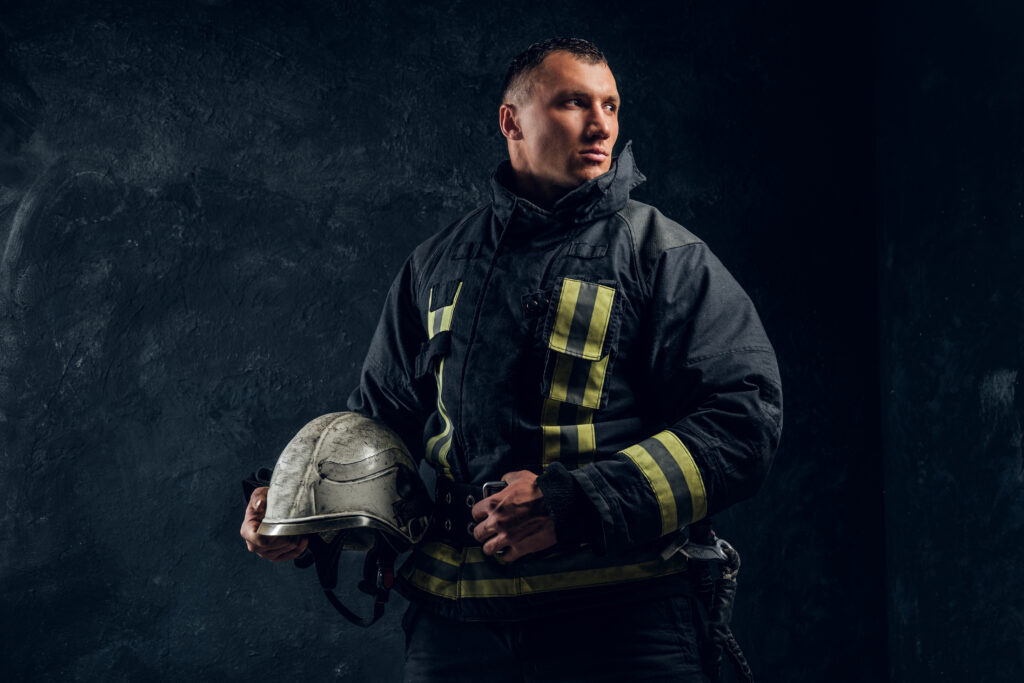

Cumulative trauma in first responders – firefighter showing signs of stress and burnout.

Signs and Symptoms of Cumulative Trauma in First Responders

Experts note that cumulative trauma in first responders often goes unnoticed until symptoms become overwhelming. Often, it reveals itself in subtle ways first, before escalating. Common signs include:

As Chris put it, “We see all these horrible things… exposed to stressful situations time and time again, and we start to become almost inoculated to them. The problem is, when we finally do surpass that tolerance, it all comes down”.


Real Stories from the Field

The Workshop provided raw examples of how trauma builds across careers.

These stories illustrate how cumulative trauma in first responders is not always obvious in the moment, but it leaves lasting marks on first responders’ minds, bodies, and relationships.


Why Acknowledging Cumulative Trauma in First Responders Matters

Failing to address cumulative trauma can have devastating consequences. Research shows that first responders experience higher rates of depression, anxiety, PTSD, and suicidal ideation compared to the general population.

In fact, according to the U.S. Department of Health and Human Services, first responders are more likely to die by suicide than in the line of duty. Recognizing the cumulative nature of trauma is vital for early intervention.

As the Workshop highlighted: “When we surpass that threshold, everything comes down… an avalanche of emotions”. Without acknowledging the build-up, responders may believe they’re only reacting to “one bad call” and miss the bigger picture.


Cumulative trauma in first responders – peer support group offering healing and connection.

Healing and Support

The good news is that cumulative trauma can be addressed — but it requires intentional effort, support, and cultural change.

Doug noted: “When we reach out to friends, counselors, clinicians — the conversation often goes back to what happened leading up to that point.” In other words, healing means looking at the full picture, not just the most recent incident.

Effective supports include:

After Action is dedicated to providing these culturally competent, trauma-informed supports — from residential treatment to workshops that bring first responders together in shared understanding.


After Action: A Dedicated Program for First Responders

At After Action, we understand that first responders face unique challenges that can’t be met by generic treatment programs. Firefighters, law enforcement officers, paramedics, dispatchers, correctional officers, and border patrol personnel all experience trauma differently — and require specialized care that respects their culture.

Our program offers:

As Chris put it during the Workshop: “Very rarely do we see someone just dealing with one incident. More often, it’s the build-up over time. That’s why programs like After Action are so important — to unpack years of service, not just one call.”


Watch the Full Workshop

If you’d like to dive deeper into this discussion and hear firsthand from retired and active first responders, you can watch the full workshop episode here:

This conversation brings raw, unfiltered insights that resonate deeply with anyone who has served, or who loves someone who has.

What is cumulative trauma in first responders and how is it different from PTSD?

Cumulative trauma is the layered impact of repeated exposure to stressful and traumatic events over time. Unlike PTSD, which is usually tied to a single life-threatening incident, cumulative trauma develops slowly across a career. For first responders, it may feel like “death by a thousand cuts” — smaller stressors adding up until they manifest as anxiety, depression, burnout, or even post-traumatic stress injury (PTSI).

What are the warning signs that a first responder is struggling with cumulative trauma?

Warning signs often include emotional numbness, irritability, withdrawal from family and friends, trouble sleeping, loss of interest in hobbies, hypervigilance, and increased alcohol or substance use. A responder may also normalize disturbing experiences to the point where they don’t recognize how much it’s affecting them. Loved ones often notice the changes first — like mood swings, anger, or exhaustion that never seems to go away.

Can one incident really trigger years of unprocessed trauma?

Yes. The Workshop emphasized that what looks like “the one bad call” often isn’t the cause — it’s the trigger. Years of suppressed stress rise to the surface after a seemingly routine incident. As one facilitator explained: “People might get confused that this one event is bothering them. In reality, past experiences have led us to this spot”

Why don’t first responders reach out for help sooner?

There are cultural barriers within first responder communities — a “tough it out” mindset, fear of stigma, and concern about career impact. Many responders are trained to put others first, so prioritizing their own mental health can feel selfish. After Action addresses this by providing peer-led support and culturally competent clinicians who understand the hesitancy and know how to build trust.

How does cumulative trauma affect families of first responders?

Cumulative trauma doesn’t stay at work — it follows responders home. Families may experience strained communication, emotional distance, or increased conflict. Children may notice their parent is more irritable or distracted. Spouses often report feeling “shut out” or unsure how to help. That’s why family education and therapy are critical parts of healing — at After Action, we involve loved ones in the process so recovery is sustainable.

What treatments are most effective for cumulative trauma?

Evidence-based therapies like EMDR (Eye Movement Desensitization and Reprocessing), CBT (Cognitive Behavioral Therapy), DBT (Dialectical Behavior Therapy), and trauma-focused group work are highly effective. Complementary methods like Sensory Modulation Therapy help responders regulate their nervous systems after years of hypervigilance. Peer support, mindfulness, physical activity, and structured family involvement also make a big difference.

Is cumulative trauma in first responders preventable?

It can’t be avoided entirely — trauma exposure is part of the job. But it can be managed through proactive measures: resilience training, regular mental health check-ins, peer support programs, and learning to talk about stress openly. Agencies that normalize mental wellness from day one help prevent small stressors from becoming overwhelming later.

How can After Action help if I or someone I know is struggling?

After Action specializes in helping first responders unpack the trauma built up over a career. Whether it’s a short-term reset or a longer residential stay, we provide a safe, culturally competent environment to process what you’ve carried. If you’re unsure where to start, call our admissions team — they can walk you through options confidentially.

Conclusion

Cumulative trauma is a silent burden carried by countless first responders. It doesn’t happen overnight — it builds slowly, quietly, until one day it feels unmanageable. But healing is possible.

At After Action, we’ve built a program designed specifically for those who run toward danger when others run away. Here, first responders find the understanding, tools, and community they need to heal.

👉 If you’re ready to take the next step, contact After Action today. Your service has always been about protecting others. Now it’s time to protect yourself.

About the Speakers

This blog draws from insights shared during the After Action First Responder Workshop, led by experts with decades of service and lived experience.

5 Reasons First Responders Can’t Just “Switch Off” After the Shift Ends

First responders courageously risk their lives when everyone else runs. But what happens when the sirens stop and the uniform is taken off? The work doesn't end at the station, as it turns out. Because of the long-term mental and emotional toll that the work takes, it is very challenging to just "switch off" and be present at home. This isn't about being unable to relax; rather, it's about the significant impact that first responders' jobs have on their mental health and the ongoing stress that often goes unrecognized after work.


Key Takeaways


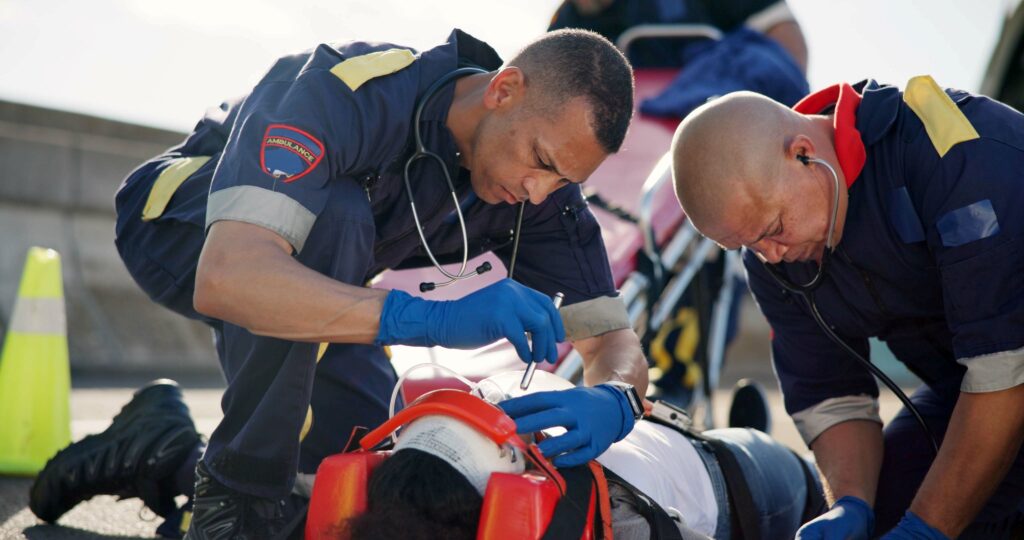
first responders attending a patient on the side of the road

Why First Responders Can’t Just “Switch Off” After the Shift Ends

Many people wonder why first responders are unable to simply turn off when their shift is over. In actuality, the work doesn't end when the uniform is taken off. They have a distinct set of difficulties that follow them home after years of rigorous training and exposure to stressful circumstances. This has to do with the profound effects these experiences have on their bodies and minds, not with their inability to unwind.


1. The Lingering Effects of Hyper-vigilance

First responders are always on high alert. Their nervous systems are programmed to react quickly, which is an essential survival strategy. This indicates that stress hormones like cortisol and adrenaline are frequently released into their bodies. The body doesn't immediately become calm again after the shift is over. Rather, it may rebound significantly, resulting in exhaustion, agitation, and trouble sleeping.

Their capacity to be present at home may be impacted over time by this continual cycle of high alert and recovery. It's a vicious cycle that affects mental health and can make even basic relaxation seem unattainable.


2. Compartmentalization: A Double-Edged Sword

First responders learn to compartmentalize in order to deal with the trauma, violence, and despair they encounter on a daily basis. To perform well in risky circumstances, they erect emotional barriers. Even though this is an essential skill for the workplace, it becomes a major obstacle when they attempt to get back in touch with loved ones.

It's very challenging to reactivate emotions once someone has mastered the art of suppressing them in order to survive. Partners and kids may feel as though they are living with a stranger as a result of this emotional detachment. One of the main causes of PTSD in first responders may be their incapacity to communicate their emotions or share their experiences.


3. The Invisible Toll on Relationships

Families suffer greatly as a result of the difficulty juggling work and home life. Children may become reluctant to interact because they are afraid of what could cause a negative reaction, and spouses may feel unloved or ignored. Everyone may feel alone as a result of tension and miscommunications brought on by this emotional gap.

Family members frequently fail to recognize that this withdrawal is an indication that the respondent's body and mind are having trouble balancing, not a lack of concern. Families should be aware that these behaviors are frequently signs of the extreme stress that first responders experience and do not represent their love or dedication.


4. Guilt and the Pressure to Stay “On”

For taking time off or establishing emotional boundaries, many first responders experience intense guilt. They might think that because lives depend on them, they must always be available, either physically or mentally. It may be difficult for them to put their own health first or even to acknowledge that something is amiss because of this "duty-first" mentality.

Long after their shift is over, they may remain on high alert due to this internal pressure. Persuaded that seeking assistance is a sign of weakness, they might ignore symptoms of emotional strain or burnout. This avoidance and guilt can eventually develop into major mental health issues like substance abuse and depression.


5. Lack of Transition Rituals or Decompression Time

First responders frequently go straight from chaos to calm without any downtime, in contrast to other professions. They are expected to participate in family dinners or bedtime rituals one minute while managing emergencies the next. It is very challenging to mentally and emotionally shift gears because of this abrupt change.

Stress builds up if there isn't a regular transition ritual, whether it's time to think, relax, or emotionally reset. First responders may arrive at the door emotionally drained, overwhelmed, and shut down due to the lack of a buffer between duty and personal life.


Signs to Watch For

It's critical to identify the warning signs that a first responder may be having difficulties. Typical indicators include the following:

Warning Signs to Watch Out For

These are frequently indicators of underlying distress rather than merely peculiarities of personality. The first step in getting help and promoting healing may be recognizing these symptoms.


It's Not Just a Job, It's a Life

As we've seen, first responders frequently struggle to distinguish between the chaos of their jobs and the peace of their homes. It's not as easy as turning a switch. Long after the uniform is taken off, the psychological toll, the ongoing readiness, and the particular stresses of the job remain.

Understanding the realities of a demanding profession is the goal here, not whining. The first step is to acknowledge these difficulties. Finding methods to unwind and re-connect is essential for those serving on the front lines. Additionally, a little understanding and patience can make a big difference for the families. Recognizing the difficulty is essential to navigating the journey together because it is a shared one.

Frequently Asked Questions

Why is it hard for first responders to 'turn off' after work?

Because their jobs require them to be on high alert and deal with challenging situations, first responders frequently find it difficult to unplug after work. To cope, they learn to fortify themselves and erect emotional barriers, which can be challenging to dismantle once they return home. This implies that even when they are not on duty, they may come across as aloof or tense.

How does a first responder's inability to switch off affect their family?

Families may feel neglected or as though they no longer know the person when first responders are unable to turn off. Children may be reluctant to speak or behave differently in their presence. Because the responder is coping with invisible stress from their job, it can cause tension in their home life.

What are some signs that a first responder loved one might be struggling?

Having nightmares, having trouble falling asleep, being easily startled, withdrawing from loved ones, or experiencing sudden outbursts of anger are some of the warning signs. Additionally, they may appear less interested in activities they once enjoyed or turn to drugs or alcohol as a coping mechanism.

Is it a choice for first responders to stay 'on duty' mentally?

It's difficult because they're taught to remain composed and manage crises, which frequently entails putting emotions aside. It becomes challenging to access those emotions or be totally present at home once they master this. It's a result of how they handle their demanding job; it's not a choice.

Can the job itself cause this difficulty in switching off?

It can be, indeed. Hypervigilance Syndrome is a condition that can result from ongoing stress and trauma exposure. This implies that even after the threat has passed, their bodies and minds remain on high alert, making it difficult to unwind and feel secure.

How can families help a first responder who is struggling to switch off?

It's critical to keep in mind that they are human and are coping with a lot. It can be beneficial to have open lines of communication, acknowledge their need for privacy, and encourage them to get help. Little actions like being patient and listening without passing judgment have a significant impact.

If first responders are feeling overburdened but are unable to take prolonged leave, what can they do?

At After Action, we recognize that it's not always feasible to take extended leaves of absence from work. For this reason, we provide a 2-Week Mental Health Tune-Up, a trauma-informed, targeted residential program created especially for first responders. It's a temporary reset that will help you deal with stress, get back in touch with yourself, and return to work more resiliently and clearly. This might be the reset you need, regardless of whether you're experiencing burnout symptoms or simply don't feel like yourself.

Learn more about our culturally competent first responder program at AfterAction.care.

What Is Post-Traumatic Growth? Real Recovery After PTSD

Chris Scallon speaking about post-traumatic growth on the After Action Podcast, sharing his journey through trauma and recovery.

Ever Heard of Post-Traumatic Growth?

We all know trauma can leave deep emotional scars, right? But here’s something not everyone talks about: sometimes, those who’ve faced life-shattering events don’t just heal—they transform. Welcome to the world of Post-Traumatic Growth (PTG), where recovery isn’t just about getting back to “normal”—it’s about becoming someone stronger, more connected, and even more inspired than before.

So, what exactly is post-traumatic growth? How does it differ from PTSD recovery? And—let’s be real—is it actually possible to grow from trauma?

Buckle up, because we’re diving into the real, raw, and incredibly powerful journey of PTG.


What Is Post-Traumatic Growth (PTG)?

Coined in the mid-1990s by psychologists Richard Tedeschi and Lawrence Calhoun, Post-Traumatic Growth is the positive psychological change experienced as a result of struggling with highly challenging life circumstances.

In plain English? It’s when you go through hell—and come out the other side not just alive, but thriving.

It’s not about the trauma being “worth it” or romanticizing suffering. Instead, it’s about acknowledging that in the process of healing, some people discover new perspectives, deeper meaning, and emotional resilience they didn’t have before.

Quick PTG vs. PTSD Breakdown:

PTSDPTG
Fear, anxiety, flashbacksMeaning, insight, gratitude
Disruption of daily lifeNew appreciation for life
Hypervigilance, avoidanceStronger relationships
Emotional numbnessPersonal growth and resilience

The Five Domains of Post-Traumatic Growth

According to Tedeschi and Calhoun, PTG shows up in five core areas:

  1. Appreciation of Life
    Survivors often develop a newfound gratitude for the little things: sunshine, laughter, a quiet cup of coffee.
  2. Relating to Others
    Trauma can strengthen empathy and deepen emotional bonds, making relationships more meaningful.
  3. Personal Strength
    The realization of “If I got through that, I can get through anything” builds rock-solid inner strength.
  4. New Possibilities
    Life after trauma might inspire career changes, new hobbies, or a total shift in direction.
  5. Spiritual Change
    For some, trauma sparks a deeper spiritual connection or philosophical insight.

What Triggers Post-Traumatic Growth?

Not everyone who goes through trauma will experience PTG—and that’s OK. But certain factors do make it more likely:


Real-Life Stories of Post-Traumatic Growth

“My trauma nearly destroyed me… but it also woke me up to what really matters.”

Sasha, abuse survivor and advocate

After years in an abusive relationship, Sasha found herself spiraling in PTSD. But through therapy and joining a support group, she began to speak out—eventually starting a nonprofit for other survivors. “I didn’t get my old life back,” she says. “I got a better one.”

“Coming back from deployment, I felt broken. But over time, I found purpose in helping other vets heal.”

James, Iraq war veteran

James struggled for years with PTSD after returning home. It wasn’t until he started mentoring fellow veterans and openly sharing his story that he felt like he was really healing. Now he’s a certified peer counselor.


Watch: Jesse Kove & Chris Scallon on Post-Traumatic Growth

Sometimes, the most impactful insights come not from textbooks—but from people who’ve lived it.

In this short clip from the After Action Podcast, Chris Scallon, a veteran and retired police sergeant, joins Jesse Kove to talk about how post-traumatic growth isn’t just possible—it’s a path worth walking.

“You have to go through the darkness to get to the light. If you don’t deal with your trauma, it’ll keep driving. But when you face it, that’s when you grow.”
– Chris Scallon

Wanna hear more of this real talk?
👉 Watch the full episode of the After Action Podcast here.

This is real talk from real warriors—about pain, healing, and choosing to grow.


How to Foster Post-Traumatic Growth

Ready to nudge the needle toward growth in your own healing journey—or help someone else do the same? Here’s where to start:

1. Therapy (Especially Trauma-Informed Care)

Find a therapist trained in modalities like EMDR, CPT, or narrative therapy. They can help you safely explore your trauma and start finding meaning.

2. Reflective Journaling

Writing down your thoughts, fears, and progress helps clarify what you're feeling and uncover insights.

3. Mindfulness and Meditation

Practices like breathwork and guided meditation reconnect you with your body and inner peace.

4. Community Support

Peer groups, whether online or in-person, remind you that you’re not alone—and healing doesn’t have to happen in isolation.

5. Pursue Purpose

Volunteering, advocacy, or creative work can channel pain into something powerfully positive.


Post-Traumatic Growth Isn’t Always Linear

Let’s bust a myth here: Growth doesn’t mean you’re “over it.” Many people who experience PTG still live with symptoms of PTSD.

You can be healing and hurting at the same time. You can have nightmares one night and experience clarity the next. And that’s perfectly normal.


What the Research Says

Here’s a quick snapshot of what science is finding about PTG:


FAQs About Post-Traumatic Growth

Can you have PTSD and PTG at the same time?

Yes! In fact, many people experience both. Growth doesn’t mean the pain vanishes—it means you’re finding strength alongside the struggle.

Is PTG just forced positivity?

Nope. PTG isn’t about denying pain. It’s about embracing truth and discovering meaning through it.

Does everyone experience post-traumatic growth?

Not necessarily—and that’s okay. Growth is personal and can look different for everyone.


Wrapping It All Up: Healing Is Messy—and Beautiful

So, what’s the big takeaway? Post-Traumatic Growth doesn’t erase the trauma—but it redefines the story. It’s not a straight line. It’s messy, unpredictable, and deeply human. But it’s also a reminder that from the ashes, something new—sometimes even beautiful—can rise.

Whether you’re in the thick of it or on the other side, remember this: You are not broken. You are becoming.


Helpful Resources

Unseen and Under Pressure: The Mental Health Struggles of Female First Responders

When you wear the badge, carry the gear, and show up at someone’s worst moment—you’re expected to be strong. As a female first responder, that expectation doubles. The weight of proving your capability in a male-dominated field means staying sharp, stoic, and steady… even when the trauma starts to take its toll.

But what happens when “strong” starts to feel like “silent”? When the pressure to keep pushing becomes too much?

In this post, we’ll unpack the heavy, often invisible burden that female first responders carry, and the stigma that surrounds seeking support for mental health and addiction. If you’re a woman in uniform who feels like you’re reaching your breaking point—but afraid that asking for help might make you look weak—you’re not alone. And you’re not broken.


The Double Standard in the Line of Duty

In first responder culture, strength is synonymous with silence. The job is hard—it always has been. But for women, there's an added layer of expectation: to constantly prove they belong. Whether it's fighting fires, saving lives, or responding to violent calls, women in these roles often feel like they must outperform, overachieve, and overcompensate just to be seen as equals.

Now toss mental health into the mix. Struggling emotionally? Burned out? Experiencing nightmares or flashbacks? For male colleagues, speaking up might already feel taboo—but for women, it can feel downright dangerous. You worry you’ll be labeled “too emotional,” “not tough enough,” or “a liability.”

So, you keep quiet. You power through the panic attacks. You dismiss the depression. You show up to the next shift and pretend you’re fine.

Sound familiar?


Why the Stigma Hits Women Differently

Here’s the thing: the female first responders mental health stigma isn’t just about gender—it’s about perception.

1. Perception of Competence

Many women fear that admitting they’re struggling could affect how others view their ability to do the job. There’s an unspoken message: “If you can’t handle it, maybe this line of work isn’t for you.”

2. Lack of Representation

It’s hard to speak up when no one else looks like you. Female first responders often work in environments where there are few (if any) women in leadership roles. This lack of visible role models makes it even harder to be the first one to say, “I need help.”

3. Internalized Pressure

Most women in these roles are natural caregivers and high achievers. They take pride in being the one others can depend on. So when they’re the ones struggling, it can feel like a betrayal of their own identity.


What the Trauma Actually Looks Like

We talk a lot about trauma, but what does it really mean in the day-to-day life of a female first responder?

Over time, these symptoms can lead to Post-Traumatic Stress Disorder (PTSD), burnout, or substance use disorders—and without proper treatment, they only get worse.

“It wasn’t that I couldn’t do my job,” said one paramedic in recovery. “It was that I didn’t think I was allowed to admit I was struggling. I thought asking for help meant they’d think I didn’t belong.”


female first responders

Why Seeking Help is Strength, Not Weakness

It takes guts to walk into burning buildings. It takes courage to perform CPR on a child. But you know what else takes incredible strength? Saying: I’m not okay.

Healing doesn’t mean you’ve failed—it means you’ve survived. And you deserve support that understands not just the trauma of the job, but the unique emotional toll it takes on women in these high-stress roles.


How Our Center Supports Female First Responders

We created our treatment center exclusively for first responders—because we know the culture, the trauma, and the fear of being misunderstood.

And for our female first responders, we offer specialized care that addresses the stigma head-on:

You're not a statistic. You're a leader, a protector, and someone who deserves the same level of care you’ve always given others.


What You Can Do Right Now

If you’ve read this far, you already know something inside you is stirring. Maybe it’s time to stop pretending you’re fine. Maybe it’s time to make space for healing.

Start here:


Quick Signs You Might Be Carrying Too Much Alone:

If any of those hit home—it's time to talk to someone. You’re not alone, and you don’t have to keep carrying this weight in silence.


You Belong Here—Even When You’re Struggling

Being a woman in the first responder world means carrying both strength and sensitivity. You can lead, protect, and save lives—and also be human. It’s not either-or.

Let’s normalize the truth: Asking for help is one of the most courageous things a first responder can do.

Will seeking mental health treatment hurt my job or promotion chances?

No. When handled confidentially and professionally, seeking help can improve your performance, decision-making, and longevity in the field.

What if I don’t want my coworkers to know I’m in therapy?

Our center provides confidential, first-responder-specific care. You don’t have to share anything unless you choose to.

Do you offer support for addiction or substance use too?

Yes—we specialize in co-occurring disorders, meaning we treat both trauma and substance use together with compassion and care.

Ready to Talk? We’re Here When You’re Ready

If you're a female first responder battling trauma, burnout, or substance use, we see you. We honor your strength—and we’re here to help you heal.

Reach out today. You don’t have to wait for a crisis to take care of yourself.

👉 Contact Our First Responder Care Team Today

First Responder PTSD and Family Impact: Real Stories, Warning Signs & Healing Paths


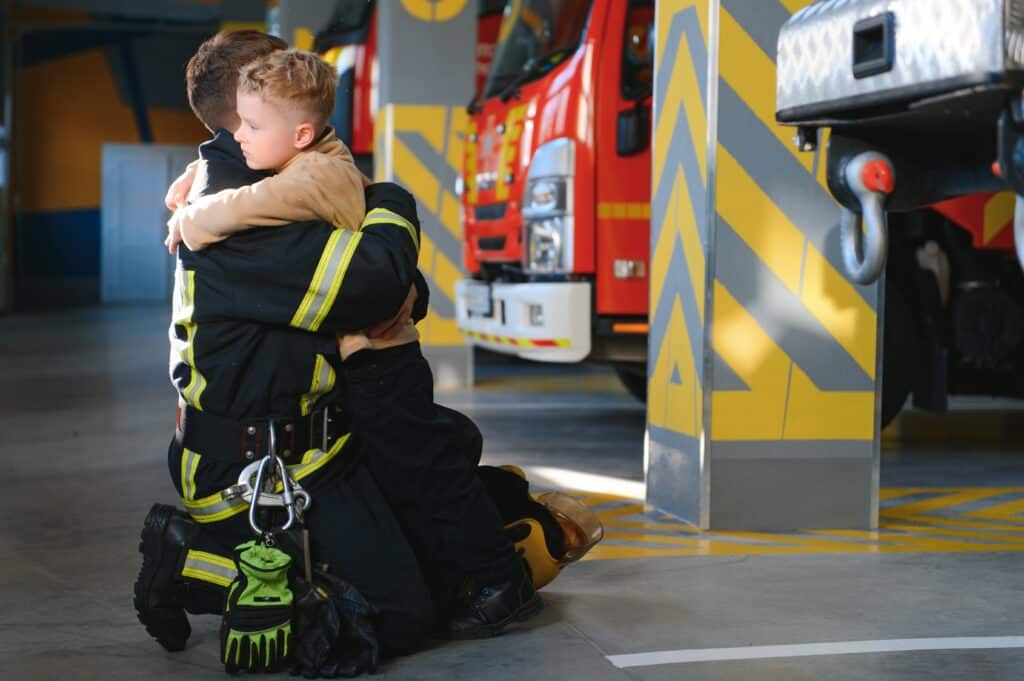
A firefighter embraces his son, showing the emotional toll of first responder PTSD and family impact.

Behind the Badge: Where the Pain Really Lives

The world sees a hero in uniform. Calm under pressure. Brave in the face of danger. But once the sirens fade, and the uniform is hung up, what’s left behind is often far from okay. First Responder PTSD and Family Impact isn’t just a clinical phrase. It’s a real, raw, and often silent experience that plays out in homes across the country.

The job may end at the station, but the trauma comes home.

You know the routine—boots by the door, a tired smile at dinner, and silence that says more than words ever could. If you’re the partner, child, parent, or sibling of a first responder, you might sense something is off, even if you can’t quite name it.

Let’s name it now. Let’s talk about First Responder PTSD and Family Impact—what it really looks like, how it silently strains relationships, and what can be done to reclaim connection, healing, and hope.


What PTSD Looks Like at Home: The Unseen Cost of Duty

First responder zoning out, a sign of PTSD’s impact on family life.

For many first responders, flipping the emotional switch from trauma on the job to calm at home is near impossible. They’re trained to run toward danger, to compartmentalize, to stay “strong”—but trauma doesn’t clock out at the end of the shift.

Real-Life Glimpses:

Sound familiar?

These aren’t just quirks. They’re coping mechanisms, symptoms, and signals. They’re the slow erosion of emotional availability, intimacy, and peace in the home. And while the first responder is trying to survive the chaos inside, the family is left wondering… where did the person I love go?


Why First Responder PTSD and Family Impact Go Hand-in-Hand

The job demands emotional armor. Responders see the worst of humanity—death, violence, despair—day in and day out. So, they compartmentalize. It’s survival.

But when you get so good at shutting things off, it becomes hard—sometimes impossible—to turn them back on at home.

The Ripple Effect on Families:

📌 NIH Study on PTSD in First Responders
Did you know emotional numbing and avoidance are more prevalent in treatment-seeking first responders than in civilians? That silence isn’t stubbornness. It’s survival mode.


Signs Your First Responder Loved One May Be Struggling

Some signs of First Responder PTSD and Family Impact are subtle—others scream for attention. But all are worth noticing.

Common Red Flags:

Here’s the thing: these behaviors aren’t personal attacks. They’re not about you. They’re manifestations of unprocessed trauma. Your loved one isn’t trying to push you away—they’re just trying to hold themselves together.


How After Action Helps First Responders Heal

one of attendants keeping hand on shoulder of upse 2023 11 27 05 37 18 utc 1 After Action

There’s no one-size-fits-all when it comes to healing from trauma. That’s why After Action was built from the ground up by people who get it. It’s designed for first responders—by other first responders.

What After Action Offers:

📌 The Value of Peer Support for First Responders – CASAT
Connection is the antidote to isolation. Sometimes, the most healing moment is hearing “Me too” from someone who really understands.


What Families Can Do to Help (Without Pushing Them Away)

It’s heartbreaking to watch someone you love suffer in silence. You want to help—but you don’t want to push too hard. So, what do you do?

Here's where you start:

  1. Start a Gentle Conversation: Use “I” statements. “I’ve noticed you seem distant lately, and I just want to understand what’s going on.”
  2. Recommend Help—Thoughtfully: Suggest resources like After Action without ultimatums or pressure.
  3. Educate Yourself: Learn about PTSD so you can separate the symptoms from the person.
  4. Be Patient, Not Passive: Healing is messy. There will be steps forward and backward.

📌 Want to understand more?
Check out our blog: PTSD vs PTSI: Why First Responders Need a New Approach to Trauma Recovery— Because it’s not a disorder. It’s an injury. And injuries can heal.


Real Healing Starts With Humanity

Being a first responder means being first on scene to everyone else’s worst day. But no one tells you how to cope with carrying all those days inside your own head.

Let’s be clear: you’re not broken.

You’re human. And what you’ve seen, what you’ve endured—it leaves a mark. But it doesn’t define you.

To the responder reading this:
You don’t have to keep pretending. You don’t have to fake it. You don’t have to suffer in silence.

To the family member who feels lost:
You’re not alone. There are others walking this path too, and real help is within reach.

When the job follows you home… you don’t have to carry it alone anymore.


Frequently Asked Questions

What is First Responder PTSD?

PTSD in first responders is a psychological injury caused by repeated exposure to trauma—often life-or-death situations.

How does PTSD affect family relationships?

It can lead to emotional detachment, anger outbursts, and communication breakdowns—placing a major strain on relationships.

What is the After Action program?

A trauma-informed healing program designed exclusively for first responders, offering therapy, peer support, and fast-track recovery options.

Can I join the 2-Week Tune-Up if I’m still working?

No, the 2-Week Tune-Up is an in-person, immersive program that requires full attendance. It’s designed to replace the traditional 30, 60, or 90-day treatment model with a condensed, intensive experience tailored specifically for first responders. The goal? To equip you with real, actionable tools for healing—so you can return to work and life with strength, clarity, and support, without needing to step away for months.

How can I talk to my loved one about getting help?

Lead with love, not judgment. Use phrases like “I care about you” or “I want to see you happy again,” and share resources like After Action.


When the Shift Ends, the Healing Begins

The world may not see what happens behind closed doors, but you do. And you don’t have to stay stuck in this cycle of pain and distance.

You are not alone. And you are not beyond help.

At After Action, we understand the weight you carry—and we’re here to help you set it down. Whether you're wearing the badge or loving someone who does, you deserve to heal, reconnect, and breathe again.

Because the job doesn’t end when the shift does.
But healing? That can start right now.

First Responder Mental Health and Operational Readiness: A Mission-Critical Priority

First Responder Mental Health and Operational Readiness are inseparable. The ability to respond quickly, make life-or-death decisions, and handle intense pressure is at the core of every firefighter, paramedic, and police officer’s role. Yet, too often, mental health is left out of the conversation when discussing readiness.

Would you be considered “fit for duty” if you had a severe physical injury? No. So why is first responder mental health and operational readiness not treated with the same urgency? Untreated PTSD, chronic stress, and burnout directly affect decision-making, reaction time, and overall job performance.

At After Action, we recognize that first responder mental health and operational readiness must be prioritized to ensure the safety and effectiveness of those who serve our communities.


Why First Responder Mental Health is Essential for Operational Readiness

First responder mental health and operational readiness go hand in hand. Every emergency call, high-pressure situation, and traumatic event adds stress to a responder’s mental load. Over time, this accumulated stress can alter brain function, affecting the ability to regulate emotions, process information, and make split-second decisions.

The consequences of neglecting first responder mental health and operational readiness include:

Ignoring first responder mental health and operational readiness puts responders, their teams, and the public at risk. Without proper mental fitness, even the most highly trained professionals may struggle under pressure, leading to mistakes, misjudgments, and emotional detachment from their work.

Studies have shown that first responders seeking treatment report significantly higher rates of emotional numbing, avoidance, depression, and suppressed anger compared to civilians. This highlights the need for PTSD treatment programs tailored specifically for first responders to accommodate their unique symptom profiles. (Read more about first responder PTSD research here.)

At After Action, we take first responder mental health and operational readiness seriously, ensuring that our treatment programs address both the emotional and cognitive demands of the job.


The Cost of Ignoring First Responder Mental Health

Neglecting first responder mental health and operational readiness comes with severe consequences—not just for individual first responders, but for entire departments and the communities they serve. When first responder mental health and operational readiness is compromised, the effects ripple outward, impacting decision-making, team dynamics, and overall job performance.

The Risks of Ignoring First Responder Mental Health and Operational Readiness:

The Solution: Prioritizing First Responder Mental Health and Operational Readiness

Agencies that invest in first responder mental health and operational readiness see reduced burnout, improved decision-making, and a stronger, more resilient workforce. Mental health support should be treated with the same urgency as physical health to ensure every first responder is fit for duty—both mentally and physically.


How After Action Ensures First Responders are Mentally Fit for Duty

At After Action, we’ve created a first responder-exclusive treatment program that mirrors the intensity, structure, and teamwork of the job while focusing on mental health resilience.

The Power of Peer Support in First Responder Mental Health

One of the most effective tools for first responder mental health and operational readiness is peer support. Connecting with others who truly understand the unique pressures of the job can make all the difference in reducing stigma, encouraging help-seeking, and fostering long-term resilience. Studies show that first responders are more likely to open up to peers who have walked the same path.

To learn more about the impact of peer support programs and why they are essential in first responder wellness, check out this article: The Value of Peer Support for First Responders.

A first responder participates in a peer support group, emphasizing the connection between first responder mental health and operational readiness.

First Responder Mental Health is a Leadership Responsibility

If agencies truly care about readiness, they must prioritize mental health in the same way they do tactical training, physical fitness, and continuing education.

What leadership can do to support first responders mental health and operational readiness:

A healthy first responder is an effective first responder.

Leadership plays a crucial role in shaping the culture around first responder mental health and operational readiness. Departments that actively support mental wellness create stronger, more resilient teams. By providing access to peer support, confidential counseling, and structured wellness programs, leaders ensure their responders are both mentally and physically prepared for duty.

For a deeper look at how agencies can enhance mental health support for their teams, check out this article on Strengthening Mental Wellness Support for First Responders.

A team of first responders in a briefing session, discussing first responder mental health and operational readiness.

Take the First Step Toward Mental Readiness Today

You’ve spent your career protecting others. It’s time to protect yourself.

What can you do today?

A confident first responder in uniform, standing ready for duty, representing first responder mental health and operational readiness.

FAQ: First Responder Mental Health and Operational Readiness

How does untreated PTSD affect my ability to do my job?

PTSD can impair decision-making, reaction time, and emotional regulation, making it harder to perform under pressure.

Why is peer support important for first responder mental health?

Peers understand the unique challenges of the job, making it easier to open up and seek help without fear of judgment.

How is After Action different from other treatment programs?

Our program is 100% first responder-exclusive, combining clinical expertise, sensory modulation therapy, and peer-driven support.

Can I get help without leaving my job for months?

Yes! Our 2-Week Tune-Up is designed for first responders who need a fast but effective mental health reset.


Mental Health = Mission Readiness

For first responders, wellness is not an optional extra—it is an essential component of being fit for duty. Just as you would never step into the field with broken equipment or an injury that prevents you from performing at your best, ignoring mental health challenges can have serious consequences for both you and those who rely on you.

Operational readiness is about more than physical strength and tactical training—it requires resilience, focus, and the ability to manage stress effectively. Without addressing the mental and emotional toll of the job, even the most skilled first responder can find themselves struggling under the weight of accumulated trauma, burnout, or untreated stress. Seeking support isn’t a sign of weakness; it’s a critical step in maintaining your ability to serve with clarity, confidence, and purpose.

If you or someone you know is experiencing the effects of chronic stress, PTSD, or burnout, resources are available. At After Action, we specialize in first responder-exclusive treatment, offering trauma-informed care designed to restore mental resilience and ensure long-term well-being.

You’ve dedicated your life to protecting others—now it’s time to prioritize your own health. Reach out today by calling 866-503-8522 to learn more about the support available to you.

Your mental health is as vital to your mission as any piece of equipment. Take the first step toward lasting wellness and peak operational readiness today.

PTSD vs PTSI: Why First Responders Need a New Approach to Trauma Recovery


Breaking the Stigma: PTSD vs PTSI

For years, post-traumatic stress disorder (PTSD) has carried a heavy stigma, especially in the first responder community. Many firefighters, paramedics, and law enforcement officers hesitate to seek help, fearing that a diagnosis of PTSD means they are "broken" or unable to do their jobs.

But what if we looked at it differently? What if we stopped calling it a disorder and started calling it what it really is—an injury?

Post-Traumatic Stress Injury (PTSI) shifts the conversation from a lifelong disorder to something that can be treated, rehabilitated, and healed—just like a shoulder or knee injury. This distinction is critical for firefighters, EMTs, and law enforcement officers, who face cumulative trauma from repeated exposure to high-stress and life-threatening situations.

The Key Difference: Why PTSI Matters

Egan de los Cobos, Peer Support Coach at After Action, shares his personal journey with PTSI in the video below.


How First Responders Develop PTSI

The Cumulative Effect of Trauma

For most first responders, PTSI isn’t caused by one single event—it’s a slow buildup of trauma over time. Every difficult call, every moment of life-or-death decision-making, and every exposure to tragedy takes a toll.

Firefighters battling wildfires, pulling victims from wreckage, or witnessing loss of life carry these experiences with them long after the shift ends.

Paramedics and EMTs who respond to overdoses, child injuries, and fatal accidents often develop unprocessed trauma, leading to emotional numbness or hypervigilance.

Law enforcement officers who face high-stress confrontations, violence, and public scrutiny develop a constant state of fight-or-flight, making it difficult to relax even when off duty.

A brain scan highlights the effects of trauma, illustrating how PTSD and PTSI physically change brain function in first responders.

Acute Trauma vs. Cumulative Trauma


Rebuilding Strength: Trauma Recovery for First Responders

Why First Responders Need Specialized Care

Standard therapy approaches often fail first responders because they don’t take into account the unique culture and experiences of the job. At After Action, we provide trauma-informed care that is designed specifically for those on the front lines.

Why Choose Trauma-Informed Treatment?

A firefighter in full gear sits with a trauma-trained therapist, discussing the impact of PTSD and PTSI on mental health.

Sensory Modulation Therapy: A New Way to Heal

At After Action, we offer Sensory Modulation Therapy, which helps firefighters and other first responders process trauma through physical and sensory experiences. Using lights, sounds, touch, and movement, this therapy helps regulate the nervous system, reducing anxiety and hypervigilance.

💡 Research shows that trauma is stored in the body—not just the mind. Sensory-based interventions help retrain the brain to feel safe again.


After Action’s 2-Week Tune-Up: Fast-Track Your Recovery

We know first responders can’t always step away from their jobs for months at a time. That’s why After Action offers a 2-Week Tune-Up—a high-intensity recovery program designed to get you back to work faster while addressing the root causes of trauma.

What Makes This Program Different?

Trauma-Focused Therapy: EMDR, sensory therapy, and peer support.
Designed for First Responders: Work with therapists who get it.
Confidential and Secure: No risk to your job or reputation.

Whether you’re a firefighter, EMT, law enforcement officer, or border patrol agent, this short-term program provides immediate relief and long-term resilience.


Signs It’s Time to Seek Help

If you’re experiencing any of the following, it might be time to consider first responder mental health treatment:

Flashbacks or nightmares about traumatic events.
Emotional numbness or shutting down after shifts.
Increased anger or irritability with family and coworkers.
Difficulty sleeping or constant hypervigilance.
Turning to alcohol or substances to cope.

You’re not alone. The bravest thing you can do is reach out for help.

A firefighter returning to the station after treatment, representing recovery and resilience. PTSD vs PTSI—proving that with the right care, healing is possible.

Why is PTSI a better term than PTSD?

PTSI removes the stigma of a "disorder" and recognizes trauma as an injury—one that can be healed with the right care.

How does After Action specialize in first responder mental health?

After Action provides culturally competent, trauma-informed care designed for firefighters, law enforcement, and EMTs.

What is Sensory Modulation Therapy?

It’s an innovative therapy that uses sensory experiences to regulate the nervous system and help process trauma.

How does the 2-Week Tune-Up work?

It’s a short-term, high-impact program designed to help first responders recover from trauma and return to work quickly.

Is treatment confidential?

Yes. After Action ensures complete privacy, protecting your career and personal life


Final Thoughts: Breaking the Chains of Trauma

You wouldn’t ignore a broken leg or a serious burn—so why ignore a brain injury caused by trauma? By reframing PTSD as PTSI, we empower first responders to seek the treatment they deserve without stigma, guilt, or shame.

If you’re struggling, you’re not alone. After Action is here to help you rebuild strength and resilience.

Reach out today—because real courage is knowing when to ask for help.

👉 Visit After Action to Learn More

First Responder Mental Health: How to Decompress and Avoid Burnout

First responder mental health: firefighter decompressing post-shift.

When the sirens fade and the emergency subsides, the impact of the job doesn’t disappear. First responders—police officers, firefighters, paramedics, and others—face unique challenges that extend far beyond the immediate demands of their roles. Their dedication to serving others often comes at a significant personal cost, particularly to their mental health.

First responder mental health isn’t just a personal concern; it’s a public safety issue. When those who protect and serve are physically present but mentally overwhelmed, their performance and safety are compromised. This blog dives into the challenges first responders face, practical strategies for maintaining mental health, and how After Action provides the specialized care they need to decompress, recover, and thrive.


Understanding the Impact on First Responder Mental Health

The Reality of Cumulative Trauma

Every shift is unpredictable. Whether it’s responding to a tragic accident, facing violent confrontations, or dealing with human suffering, first responders endure a level of stress that most people cannot imagine. Over time, the exposure to trauma accumulates, creating what’s known as cumulative trauma.

Cumulative trauma doesn’t happen overnight. It builds gradually, embedding itself into the psyche until it becomes a weight too heavy to bear. Without intervention, it can lead to conditions such as PTSD, anxiety, and depression. Recognizing this cycle is the first step in protecting first responder mental health.

Burnout: A Silent Crisis

Burnout among first responders goes beyond mere fatigue. It’s the emotional exhaustion, cynicism, and reduced sense of accomplishment that occur when high levels of stress persist unchecked. Symptoms of burnout include difficulty sleeping, irritability, and a sense of hopelessness. Left unaddressed, burnout can escalate into serious mental health crises, impacting both the individual and their ability to serve effectively.

Breaking the Stigma

Despite the high prevalence of mental health challenges among first responders, seeking help is often stigmatized within the culture. Many feel that admitting they need support might be perceived as a weakness or an inability to handle the job. Addressing this stigma is crucial. First responder mental health isn’t a luxury—it’s a necessity for sustained service and personal well-being.


Strategies to Support First Responder Mental Health

Peer support for first responder mental health.

Tactical Breathing: A Tool for Immediate Relief

Stress often triggers a physiological response, making it hard to think clearly or stay calm. Tactical breathing techniques, such as box breathing (inhale for four seconds, hold for four seconds, exhale for four seconds, pause for four seconds), can be invaluable. These exercises help lower heart rates, reduce anxiety, and provide a moment of calm in high-pressure situations.

Post-Shift Decompression Routines

Transitioning from work to home life is essential for maintaining mental health. Creating a decompression routine can help first responders leave the stress of the job behind. Activities like journaling, meditating, or even engaging in light exercise can help process the emotions and stress accumulated during the day.

The Role of Peer Support

Connecting with others who understand the unique challenges of the job can be deeply therapeutic. Peer support groups offer a safe environment for first responders to share their experiences, gain perspective, and provide mutual encouragement. These groups foster a sense of community and can be a lifeline for those who feel isolated in their struggles.


The After Action Approach to First Responder Mental Health

Trauma-Informed Care for Lasting Recovery

At After Action, we understand that effective care requires addressing the root causes of trauma. Our trauma-informed programs are designed to help first responders heal from the cumulative effects of their work. This approach not only focuses on managing symptoms but also equips individuals with tools to build resilience and recover fully.

Gender-Specific Housing for Privacy and Security

First responders often feel more comfortable in environments tailored to their needs. Our gender-specific housing ensures a private and secure space where individuals can focus on their recovery without distractions.

Sensory Modulation Therapy for Grounding and Recovery

A unique feature of our approach is Sensory Modulation Therapy, which helps first responders manage the physical and emotional effects of trauma. By using sensory inputs like weighted blankets, soothing sounds, and calming visuals, this therapy supports individuals in regaining control over their emotional responses. Sensory Modulation is particularly effective for grounding and reducing hyperarousal, common challenges faced by first responders.

Peer-Led Support and Professional Guidance

After Action combines the strength of peer-led support groups with professional therapeutic interventions. These programs address the emotional, physical, and psychological aspects of first responder mental health, offering a holistic path to recovery.


Practical Tips for Families Supporting First Responders

First responder mental health isn’t just an individual issue—it affects their loved ones as well. Families play a vital role in creating a supportive environment.


FAQs About First Responder Mental Health

Why is first responder mental health important?

The high-stress nature of the job puts first responders at risk for mental health challenges like PTSD and burnout. Supporting their mental health ensures their safety and effectiveness on the job.

How does After Action help first responders?

After Action offers trauma-informed care, peer support, and gender-specific housing to address the unique needs of first responders.

What are the signs of burnout in first responders?

Burnout symptoms include emotional exhaustion, detachment, difficulty sleeping, and reduced performance at work.

How can families support first responder mental health?

Families can encourage open communication, respect personal space, and support seeking professional help when needed.

Courage Undercover: How Jay Dobyns Inspires Wellness in Law Enforcement

After Action CEO Arthur Mogilevski, Sensory Specialist Bonnie Eckman, and Jay Dobyns at the Bakersfield Police Department Wellness Center event.

When law enforcement officers gather to share stories and insights, it’s more than just an event—it’s a lifeline. The Bakersfield Police Department Wellness Center recently hosted an inspiring speaking engagement featuring Jay Dobyns, a former undercover ATF agent whose life story is nothing short of extraordinary. Dobyns, best known for infiltrating the Hells Angels motorcycle gang, shared his harrowing experiences and the deep personal toll that his undercover work took on his mental health and family life.

His story is not just about bravery under fire; it’s about the unseen emotional and psychological battles faced by law enforcement professionals every day. Dobyns’ journey serves as a powerful reminder of why programs like the Bakersfield Police Department Wellness Center and After Action are vital for supporting the well-being of officers and first responders.


Jay Dobyns: The Undercover Mission That Nearly Cost Him Everything

Jay Dobyns is one of the most well-known undercover ATF agents in history. Over the course of his career, he worked on hundreds of operations, but his most dangerous and high-profile assignment came in the early 2000s: infiltrating the notorious Hells Angels Motorcycle Club.

For two years, Dobyns lived undercover, assuming the role of a hardened criminal who could gain the trust of one of the most dangerous gangs in the world. His mission? To gather intelligence on the gang's criminal activities, including drug trafficking, weapons dealing, and violent crimes.

To gain the Hells Angels’ trust, Dobyns had to fully immerse himself in their world, staging fake crimes and even participating in acts of simulated violence. He described these years as living in a constant state of paranoia, knowing that any misstep could blow his cover and cost him his life. The physical danger was relentless—Dobyns received numerous death threats from gang members and rival criminals.

But the most significant toll was emotional and psychological. He was away from his family for extended periods, unable to be a father to his children or a husband to his wife. The lines between his real identity and his undercover persona blurred, leaving him feeling isolated and disconnected from the world he had once known.


The Mental Health Fallout

Dobyns’ undercover work came with a price far greater than the immediate physical dangers. Long after the operation ended, he struggled with severe PTSD (post-traumatic stress disorder) and the lingering psychological scars of the job.


Breaking the Stigma: The Role of Wellness Programs

Events like the Bakersfield Police Department Wellness Center’s engagement with Jay Dobyns are helping to change the narrative around mental health in law enforcement. By openly discussing his struggles and path to recovery, Dobyns reminded officers that it’s okay to admit when they’re struggling—and that there’s no shame in asking for help.

The Bakersfield Police Department Wellness Center is a shining example of how wellness programs can make a difference. The center offers resources, support, and events like this one to help officers build resilience and address mental health challenges head-on.

These programs are more than just a resource—they’re a lifeline. They break the stigma around mental health, provide confidential support, and remind first responders that they don’t have to navigate their struggles alone.


After Action: A Specialized Resource for First Responders

For law enforcement officers and first responders looking for more in-depth support, After Action is an invaluable resource.

Designed exclusively for first responders, After Action offers:

Like Dobyns, many officers carry the weight of their work long after their shifts end. After Action provides a safe space for them to unpack those burdens, heal, and emerge stronger.


Lessons from Jay Dobyns’ Story

Jay Dobyns didn’t just infiltrate the Hells Angels; he survived the aftermath of his undercover work and emerged as a powerful advocate for wellness. Here are some key takeaways from his story:

  1. Courage Isn’t Just Physical: True bravery lies in admitting when you need help and taking steps to heal.
  2. The Cost of Silence: Ignoring mental health struggles doesn’t make them go away—it amplifies them. Seeking support early can prevent long-term consequences.
  3. Support Systems Matter: Whether it’s a wellness center, peers, or programs like After Action, having a network of support is crucial for long-term resilience.

A Call to Action: Prioritizing Mental Health in Law Enforcement

The event at the Bakersfield Police Department Wellness Center wasn’t just about sharing Jay Dobyns’ story—it was a reminder of the importance of prioritizing wellness in law enforcement.

If you or someone you know is struggling with the pressures of a career in law enforcement, take the first step toward healing:

As Jay Dobyns said, “The greatest act of courage isn’t running into danger—it’s taking care of yourself so you can keep showing up for others.”


Resilience Starts Here

Jay Dobyns’ journey reminds us that resilience isn’t about being invincible—it’s about rising stronger after experiencing life’s hardest moments. His story is a testament to the incredible challenges law enforcement officers face, not just on the streets but within their own minds and hearts. By sharing his struggles with PTSD, isolation, and institutional betrayal, Dobyns opens the door for others in law enforcement to recognize that they are not alone. His message is clear: seeking help isn’t a sign of weakness—it’s an act of courage.

Events like the one hosted by the Bakersfield Police Department Wellness Center are essential for breaking down the barriers of stigma and building a culture of support within law enforcement. Programs like After Action further extend this support by offering specialized, confidential resources that help first responders heal from trauma and build resilience for the future. Whether it’s through individual therapy, peer groups, or innovative options like the 2-Week Tune-Up, these tools provide a lifeline for those struggling to manage the weight of their responsibilities.

The holiday season is an opportunity to reflect on the sacrifices made by law enforcement officers and the importance of providing them with the support they deserve. If you or someone you know is navigating the challenges of mental health or addiction, don’t wait to take action. Whether it’s reaching out to After Action, exploring local wellness centers, or simply starting a conversation, every step forward matters.

Resilience starts with acknowledging the need for change, and programs like After Action are here to help. Let Jay Dobyns’ story inspire you to take that first step toward healing—for yourself, for your loved ones, and for the future.

Frequently Asked Questions (FAQs)

1. Who is Jay Dobyns, and why is his story significant?

Jay Dobyns is a former undercover ATF agent best known for infiltrating the Hells Angels Motorcycle Club. His story highlights the immense dangers and psychological toll of undercover work, including the personal sacrifices he made to carry out his mission. Today, he advocates for mental health awareness and resilience, inspiring law enforcement professionals to prioritize their well-being.


2. What challenges did Jay Dobyns face after his undercover work?

Dobyns struggled with PTSD, paranoia, and the strain on his personal relationships after his undercover operation. He also faced threats to his safety, including the arson of his home, and felt abandoned by the institution he served. These experiences drove him to become a mental health advocate for law enforcement officers.


3. What is the Bakersfield Police Department Wellness Center?

The Bakersfield Police Department Wellness Center is a dedicated resource for law enforcement officers, offering support for mental health, resilience, and overall wellness. Through events like Jay Dobyns’ speaking engagement, the center provides opportunities for officers to address their challenges, connect with resources, and foster a culture of wellness.


4. How does After Action help law enforcement and first responders?

After Action offers confidential mental health and addiction treatment tailored to the unique challenges faced by law enforcement and first responders. Their programs, including the 2-Week Tune-Up, provide specialized care to help individuals process trauma, build resilience, and return to work stronger.


5. What is the 2-Week Tune-Up program?

The 2-Week Tune-Up is an intensive, short-term program offered by After Action that helps law enforcement officers and first responders address mental health and addiction challenges. Designed to fit the demanding schedules of first responders, it provides focused care to support recovery and resilience.


6. Why is it important to address mental health in law enforcement?

Law enforcement officers face high-stress situations, frequent trauma exposure, and long hours, which can lead to burnout, PTSD, addiction, and other mental health challenges. Addressing mental health ensures officers can perform their duties effectively while maintaining personal well-being.


7. How can family members support law enforcement officers struggling with mental health?

Family members can:


8. How can someone get involved with After Action or the Bakersfield Police Department Wellness Center?

To connect with After Action, visit their website or contact their team directly to learn more about their programs. For the Bakersfield Police Department Wellness Center, reach out to their community relations team to inquire about upcoming events, resources, and how you can support their mission.

5 Hard Truths First Responders Face—and How to Break Free From the Cycle

Hard Truths First Responders Face: Standing Strong Amid Challenges

The challenges first responders face are often hidden from the public eye, but the hard truths first responders face are impossible to ignore. From cumulative trauma to burnout, substance abuse, and the stigma around mental health, these brave men and women carry an extraordinary burden. This article explores the hard truths first responders face every day and offers actionable strategies to help break the cycles of pain, stress, and exhaustion. Programs like After Action provide tailored, confidential support to help first responders heal, build resilience, and get back to what they do best—serving their communities.

Key Takeaways

1. Cumulative Trauma

First responder in contemplation amidst an emergency scene.

Cumulative trauma is one of the most difficult and hard truths first responders face. It’s not always the single, catastrophic events that cause lasting harm; it’s the day-to-day exposure to emergencies, tragedies, and high-stakes decisions that take a toll over time. This reality is one of the defining hard truths first responders face, and without proper support, it can lead to PTSD and other mental health struggles.

Breaking the Cycle for First Responders

So, how do we break free from this cycle? Well, it starts with acknowledging the trauma. It's okay to feel overwhelmed. You don't have to tough it out alone. Talk to someone, maybe a fellow responder who gets it. Peer support is a game changer. And don't forget about debriefing sessions after critical incidents—they're not just a checkbox, they're a chance to process what happened. To address this specific challenge, programs like After Action offer confidential resources, including peer support, debriefing sessions, and trauma-focused therapy. These solutions help responders face the hard truths first responders face while fostering emotional healing and long-term resilience.

First Responders and Trauma

Cumulative trauma can lead to some serious issues like PTSD. But recovery is possible. It's about managing those emotional responses and understanding your triggers. This isn't just about surviving your shifts; it's about thriving in your life outside of work too. Some folks find that therapy helps, while others lean on their community or faith. Whatever works for you, go for it.

First Responder PTSD Recovery

Recovery isn’t a straight line, especially for first responders dealing with PTSD. Constant trauma exposure takes a toll, but healing is possible with the right support. At After Action, we offer confidential programs tailored for first responders, treating mental health struggles like PTSD with the same care as physical injuries. For a focused solution, our 2-Week Tune-Up program helps first responders process trauma, rebuild resilience, and return to work quickly. Breaking the stigma around mental health is critical, and our programs provide a safe, judgment-free space for recovery. Let’s prioritize mental wellness and help first responders reclaim their well-being.

2. Emotional Exhaustion

Emotional exhaustion is another of the hard truths first responders face, and it often builds gradually. The constant state of hypervigilance, long shifts, and exposure to life-and-death situations eventually lead to adrenaline fatigue and burnout. The hard truths first responders face often manifest as irritability, fatigue, or difficulty finding joy in everyday life.

Emotional exhaustion can sneak up on you. It starts with small things—like feeling a bit more tired than usual or snapping at a coworker. Before you know it, you're deep in critical incident stress, unable to shake off the weight of what you've seen and done.

Emotional exhaustion is like a shadow, always lurking, ready to pounce when you least expect it. But acknowledging its presence is the first step in breaking free from its grip.

The stigma attached to mental health in first responder communities can make it tough to ask for help. But remember, it's okay to not be okay. Seeking support isn’t a sign of weakness; it’s a step towards resilience. Addressing emotional exhaustion head-on can pave the way for healthier coping strategies and a better work-life balance.

Breaking the Cycle

Recognizing the signs of emotional exhaustion is key. Programs like After Action provide first responders with practical tools for managing stress and building resilience, offering a way to navigate these hard truths first responders face with strength and support.

Understanding and tackling emotional exhaustion is crucial. It’s about breaking free from the cycle and finding balance, even when the job demands everything from you. First responders in the U.S. are experiencing a compassion crisis, and acknowledging this is vital for change. It’s time to prioritize mental well-being alongside the physical, ensuring that those who protect us are also protected.

3. Burnout

Burnout is one of the toughest hard truths first responders face, as it often goes unnoticed until it becomes overwhelming. Long hours, constant exposure to high-stakes situations, and the emotional weight of the job create a cycle of exhaustion and detachment. The hard truths first responders face often include a feeling of emptiness, making it harder to stay engaged and connected to their work.

The Cycle of Burnout

Imagine this: you're running on fumes, trying to stay alert, and hypervigilance becomes your norm. It's like being stuck in a loop where the more you push, the more drained you feel. This cycle can lead to what some call adrenaline fatigue, where your body's stress response is just tapped out.

Breaking Free

So, how can first responders break free from trauma and burnout? Here are some steps:

  1. Acknowledge It: Recognize the signs early. If you're feeling constantly exhausted or detached, it's time to take a step back.
  2. Seek Support: Talk to someone you trust. Whether it's a colleague or a mental health professional, sharing your experiences can be a relief.
  3. Debrief Regularly: After critical incidents, take time to debrief. This isn't just about the facts but about how you're feeling.

It's okay to not be okay. Admitting you're struggling isn't a weakness; it's the first step to getting better.

Programs like After Action’s 2-Week Tune-Up are specifically designed to combat burnout and help responders recharge. This intensive program addresses the hard truths first responders face by providing targeted care that rebuilds resilience and empowers responders to return to work quickly, stronger and better prepared.

Addressing Stigma

There's often a stigma around admitting burnout. Some might think it shows weakness, but facing it head-on is actually a sign of strength. It's about taking control and prioritizing your well-being.

Practical Solutions

Burnout doesn't have to be a permanent state. With the right steps, you can regain your energy and passion for the job.

4. Substance Abuse

First responder in a dimly lit room with drink.

The reality of substance abuse is one of the hard truths first responders face. Many responders turn to alcohol or drugs as a way to cope with the relentless stress, trauma, and emotional exhaustion of the job. While this might seem like an immediate solution, it often worsens the hard truths first responders face, creating additional challenges in both their professional and personal lives.

The cycle of substance abuse can feel like a never-ending loop, but breaking free is possible. It's about finding the right support and making a commitment to change.

Understanding the Problem

Addressing the Stigma

Solutions and Recovery

  1. First responders recovery program: Programs specifically designed to address the unique needs of first responders.
  2. Addiction recovery for first responders: Tailored approaches that consider the job's demands.
  3. Specialized recovery programs for first responders: These programs offer a supportive community and tools for sustainable recovery.

Specialized recovery programs for first responders, like those offered by After Action, address both the stigma and the challenges of substance abuse. These programs provide a safe, confidential space to address the hard truths first responders face while building healthier coping mechanisms for long-term resilience.

5. Mental Health Stigma

Mental health stigma is one of the most significant hard truths first responders face, as it prevents many from seeking the help they desperately need. In a culture that values toughness and resilience, admitting to mental health struggles can feel like a weakness. The hard truths first responders face often include the pressure to "tough it out," which can lead to untreated PTSD, anxiety, and depression.

The Hard Truth

Breaking the Cycle

  1. Talk About It: Start conversations about mental health. It's okay to not be okay.
  2. Seek Support: Use resources available. There are hotlines and counselors who understand the unique stressors of the job.
  3. Share Stories: Hearing from others who have overcome similar struggles can be a game-changer.

"Being a first responder is tough. But you don't have to go it alone. Admitting you need help is a sign of strength, not weakness."

Overcoming Stigma

After Action provides a safe, judgment-free space for first responders to prioritize their mental health. By offering confidential programs tailored specifically to their needs, we’re working to break down the stigma surrounding the hard truths first responders face and create a pathway to healing.

The stigma around mental health is a huge barrier, but it can be broken. By sharing experiences and using available resources, first responders can take steps towards healthier lives. Remember, it's not just about surviving the job—it's about thriving in life. First responders mental health is crucial, and it's time to make it a priority.

Finding Hope and Healing

The hard truths first responders face are undeniable, but recovery and resilience are possible. Programs like After Action are designed to address these challenges head-on, from cumulative trauma to burnout and substance abuse. Whether it’s through confidential support, peer connections, or the 2-Week Tune-Up, After Action is here to provide first responders with the tools and resources they need to thrive. By acknowledging the hard truths first responders face and seeking help, you can break free from the cycle and move toward a brighter, healthier future.

Frequently Asked Questions

What is cumulative trauma, and how does it affect first responders?

Cumulative trauma is when first responders experience many stressful events over time. This can make them feel overwhelmed and lead to serious mental health issues.

How can first responders deal with emotional exhaustion?

Emotional exhaustion happens when first responders feel drained from their work. They can manage this by talking to someone about their feelings and taking breaks when needed.

What are the signs of burnout in first responders?

Burnout can show up as feeling tired all the time, losing interest in work, or feeling hopeless. It's important to notice these signs early and seek help.

How does substance abuse affect first responders?

Substance abuse can be a way for first responders to cope with stress. However, it can lead to more problems, including health issues and difficulties at work.

Why is there a stigma around mental health for first responders?

Many first responders feel they need to appear strong and tough, which can make them hesitant to seek help for mental health issues. This stigma can keep them from getting the support they need.

How can first responders address the hard truths they face?

Programs like After Action provide confidential resources and tailored strategies to help first responders overcome the hard truths first responders face and build resilience.

What steps can first responders take to improve their mental health?

First responders can improve their mental health by seeking support from friends or professionals, practicing self-care, and participating in programs designed for their unique challenges like After Action.